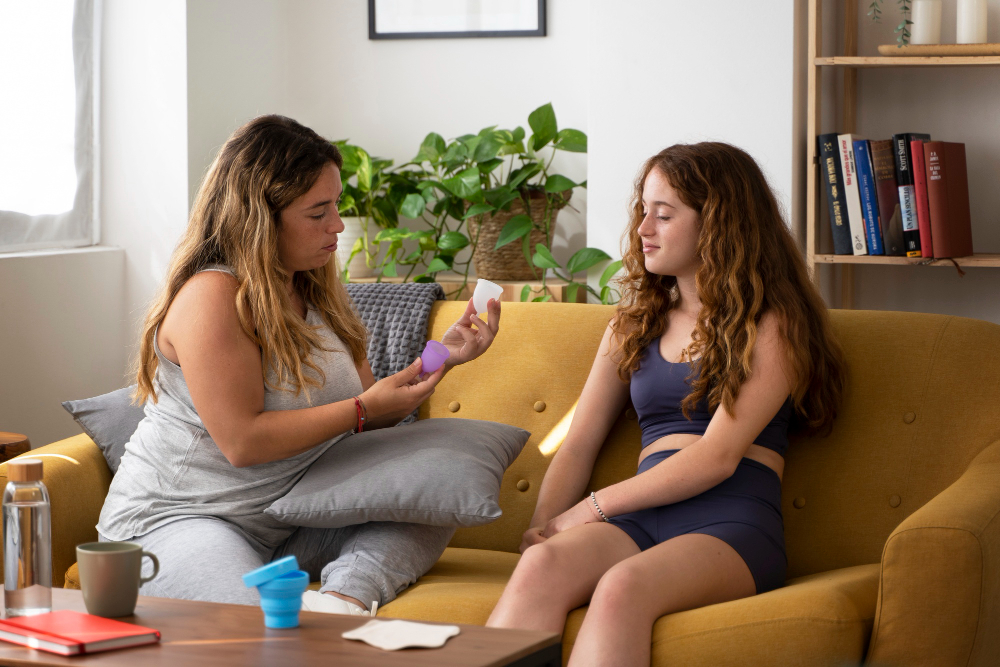
Understanding Puberty and Menstrual Health
Puberty is a natural stage when a child’s body changes into an adult body. For girls, this often means starting their period, also called menstruation. Menstrual health is about caring for the body during these changes. It includes understanding periods, hygiene, and emotional well-being. Because every girl is different, some may start puberty earlier or later than others. Supporting daughters during puberty helps them feel safe and confident. According to the World Health Organization (WHO), good menstrual health is key for a girl’s growth and happiness.
Recognizing the Signs: What to Expect
First, it helps to know what signs show puberty is starting. Most girls begin puberty between ages 8 and 13. However, the timing can vary. Here are common signs to look for:
Because these changes can feel confusing, your support is important. For example, some girls may feel nervous or shy. Others may have questions about what is normal. As a mother, you can help by being open and calm.
A Mother’s Checklist: How to Support Your Daughter
Supporting your daughter during puberty is easier with a simple checklist. Here are key steps to follow:
Because every girl is unique, adjust this checklist as needed. For mothers in different cities or countries, local customs may shape how you talk about periods. Still, the basics of support remain the same.
Open Communication: Talking About Periods
Open talks help your daughter feel safe and informed. For example, you can share your own experiences. Or, you can use books or videos made for young girls. Here are tips for talking to your daughter about periods:
Because some girls may feel embarrassed, remind her that all women go through this. If you feel unsure, ask a healthcare provider for advice on what to say.
Promoting Healthy Habits and Hygiene
Good hygiene is important for menstrual health. For instance, changing pads every 4–6 hours helps prevent infection. Here are more healthy habits to teach:
Because healthy habits start at home, set a good example. Encourage your daughter to ask if she is unsure about hygiene or care.
When to Seek Medical Advice
Most periods are normal, but sometimes you may need to talk to a doctor. Seek medical advice if your daughter:
Because early care can prevent bigger problems, do not wait if you notice these signs. The Centers for Disease Control and Prevention (CDC) also recommends regular check-ups for growing girls.
Emotional Support and Building Confidence
Puberty can bring mood changes and worries. Therefore, emotional support is just as important as physical care. Here are ways to help your daughter feel confident:
Because confidence grows with support, remind her that she is strong and capable. If she feels sad or anxious often, consider talking to a counselor or doctor.
Key Takeaways for Mothers
Supporting daughters during puberty is a journey. To sum up, here are the main points:
Because every girl is different, adjust your support as needed. For more help, consult a healthcare professional for personalized advice on your daughter’s menstrual health.