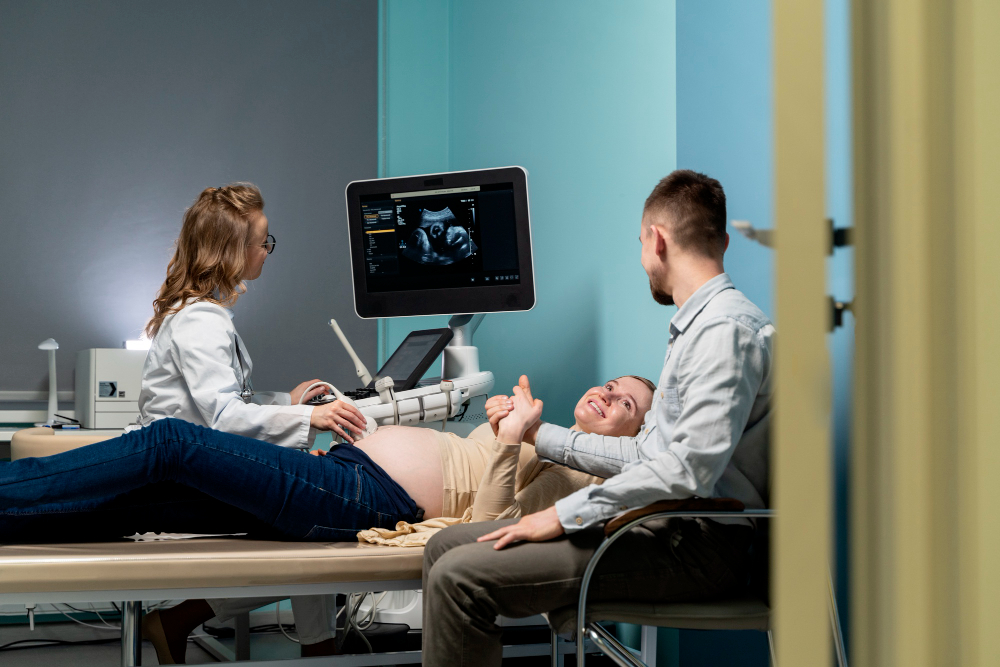
What is IUGR?
IUGR, or Intrauterine Growth Restriction, means a baby grows slower than expected during pregnancy. Because of this, the baby may be smaller than most babies of the same age. Sometimes, doctors also call it fetal growth restriction. Early detection of IUGR is important. With the right care, many babies with IUGR can do well. However, regular check-ups help keep both mother and baby healthy.
Causes of IUGR
Many factors can lead to IUGR. Some causes are related to the mother, while others involve the baby or the placenta. Understanding these IUGR causes can help with prevention and treatment.
Because many causes are possible, doctors look at the whole picture to find the reason for IUGR.
Symptoms and Signs of IUGR
Often, IUGR does not cause clear symptoms in the mother. However, doctors may notice signs during check-ups. For example, the baby may measure smaller than expected. Other IUGR symptoms and signs include:
Because these signs can be subtle, regular prenatal visits are important. Early detection helps improve outcomes.
How is IUGR Diagnosed?
Doctors use several methods for IUGR diagnosis. First, they measure the mother’s belly during each visit. If the baby seems small, they may order more tests. Common IUGR diagnosis steps include:
Because early diagnosis is key, doctors may repeat these tests often. This helps track the baby’s health closely.
Treatment and Management of IUGR
Once IUGR is found, doctors create a plan to help the baby grow. IUGR treatment depends on the cause and how far along the pregnancy is. Some common management steps include:
Because every case is different, doctors adjust treatment as needed. With close care, many babies with IUGR do well after birth.
Prevention and Lifestyle Tips
While not all cases of IUGR can be prevented, some steps may lower the risk. For example, healthy habits during pregnancy help both mother and baby. Here are some IUGR prevention tips:
Because early care matters, talk to your doctor if you have concerns about your baby’s growth.
When to See a Doctor
If you notice any changes in your baby’s movements, call your doctor right away. For example, if the baby moves less or you feel something is wrong, seek help. Also, keep all prenatal appointments. These visits help catch problems like IUGR early. Because quick action can make a big difference, never ignore warning signs.
Conclusion and Next Steps
In summary, IUGR means a baby is not growing as expected in the womb. While many causes exist, early diagnosis and good care can help. Because every pregnancy is unique, always follow your doctor’s advice. If you have questions about IUGR symptoms, causes, or treatment, do not wait. Consult a healthcare specialist for personalized advice on IUGR.